How to Stay Healthy During the Wildfire Season
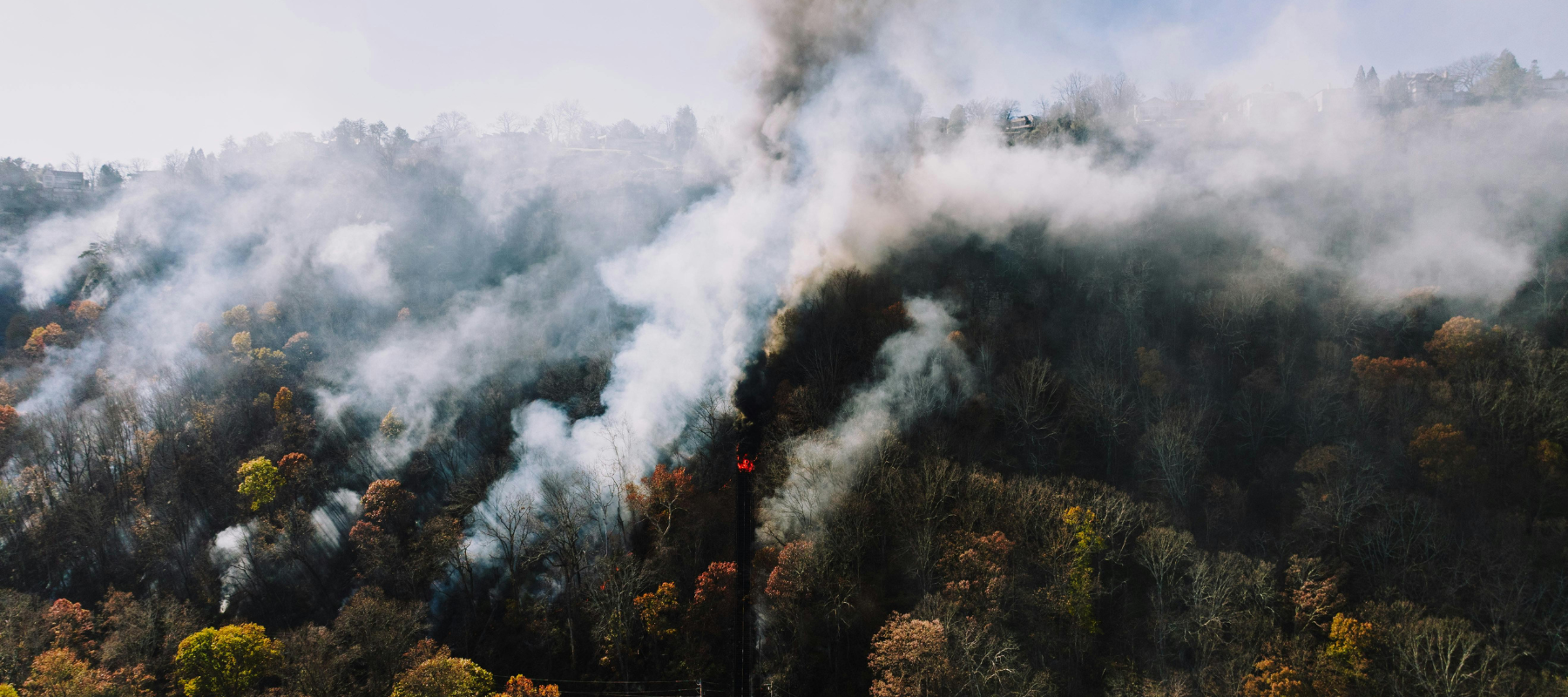
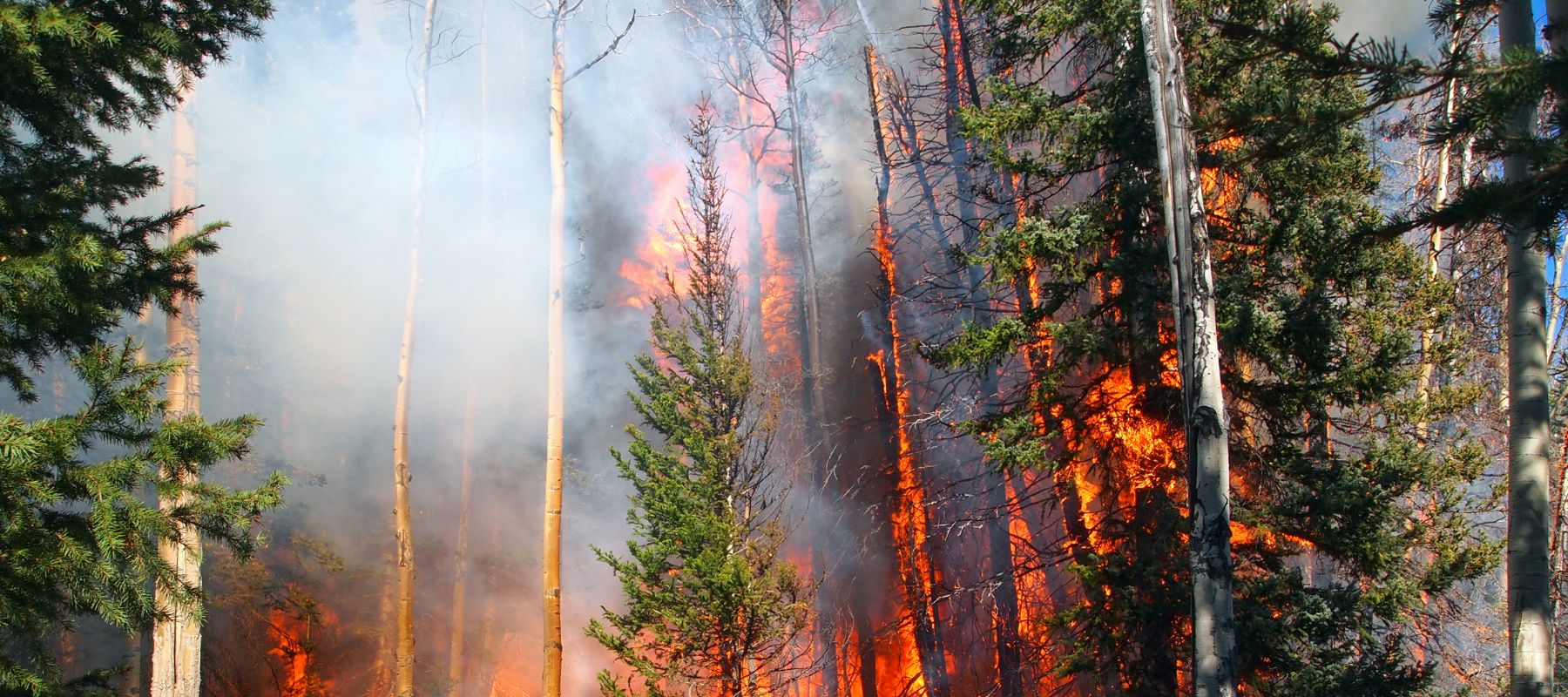
Wildfire seasons are becoming longer and more intense, and the smoke they produce can travel hundreds of miles. Even if you're nowhere near the flames, the air around you can quickly become dangerous. Wildfire smoke is filled with microscopic particles called PM2.5. These particles are small enough to pass deep into your lungs, where they can trigger irritation, breathing problems, and more serious health issues.
Staying healthy during a smoke event requires more than just a mask or an air purifier; it takes a full strategy. The goal of this guide is to show you the most important steps, including wearing a reliable wildfire mask like Cambridge Mask, to protect your lungs and overall health when smoke settles into your community. With the right approach, you can make your indoor air cleaner, reduce your exposure, and breathe more comfortably through even the worst smoke days.

The Best Defense: Avoidance and Limiting Inhalation
When the air outside is smoky, the first and most effective step is to reduce how much smoke you breathe. For many people, the question is simple: How do I deal with wildfire smoke? The answer starts with avoiding it as much as possible.
Stay Indoors and Limit Activity
On high-smoke days, typically when the Air Quality Index (AQI) reaches 100–150 or higher, your safest move is to stay inside with doors and windows closed. Even if your indoor air isn’t perfect, it’s almost always cleaner than what’s outdoors during a smoke event.
Try to keep your physical activity low on smoky days. Running, hiking, or outdoor exercise causes you to breathe more deeply, pulling even more particles into your lungs. If you usually work out outside, switch to indoor routines or take a rest day until the air improves.
Air quality changes throughout the day, so it helps to check the AQI before planning any activities. Websites like AirNow.gov can show you real-time updates and forecasts. If the AQI rises, plan to be indoors and stay there until conditions improve.
Create a Clean Air Refuge
When smoke lingers for hours or days, creating a “Clean Room” inside your home can make a huge difference. Choose a room with as few windows as possible; often, a bedroom works well. Then focus on keeping outside air from leaking in. Many people use simple methods like weather stripping or even damp towels pressed against window gaps and door cracks. These small steps help stop smoke from drifting inside.
A Clean Room provides a safe place to rest, sleep, and recover when air quality outside is at its worst. It doesn’t need to be complicated or expensive; what matters most is reducing smoke infiltration and keeping the air inside as clean as possible.
How to Breathe Better in Smoky Air
Even with good avoidance, some smoke will likely make its way indoors. That’s why filtering the air you breathe becomes the next essential step. Many people ask, How can I breathe better in smoky air? The key is to use air filters properly and avoid worsening indoor air quality.
Use Filters and HVAC Wisely
A portable air purifier with a HEPA filter is one of the best tools you can use during a wildfire event. Running it continuously in your Clean Room helps remove PM2.5 particles and keeps the air noticeably fresher. The more that the purifier runs, the less you inhale.
If your home has central air conditioning or heating, set the system to “recirculate.” This prevents smoky outdoor air from being pulled inside. Use the highest-efficiency filter your system can handle; MERV-13 or higher is ideal for capturing fine particles, but always check that your HVAC unit is rated to support it.
The same idea applies to your car. If you need to drive, close the windows and switch the ventilation to recirculate so outside smoke doesn’t blow directly into the cabin.

Don’t Create Indoor Pollution
When the air outside is already smoky, even small indoor pollution sources can make things worse. Avoid smoking, burning candles, lighting incense, or using gas stoves unless necessary, as they all release extra particles into the air. Activities like frying food or using strong chemical cleaners can also add irritants that make breathing harder.
Try to hold off on vacuuming unless your vacuum has a HEPA filter. Standard vacuums can stir up settled dust and ash, spreading it back into the air you’re trying to keep clean. Sweeping hard floors gently with a damp cloth or mop is usually a safer choice.
Protecting Yourself and High-Risk Groups
Some people are more vulnerable to smoke, including young children, older adults, and anyone with lung or heart conditions. But even healthy individuals can feel the effects of prolonged exposure. Protecting yourself and those who depend on you is essential.
Respiratory Protection for Essential Outdoor Time
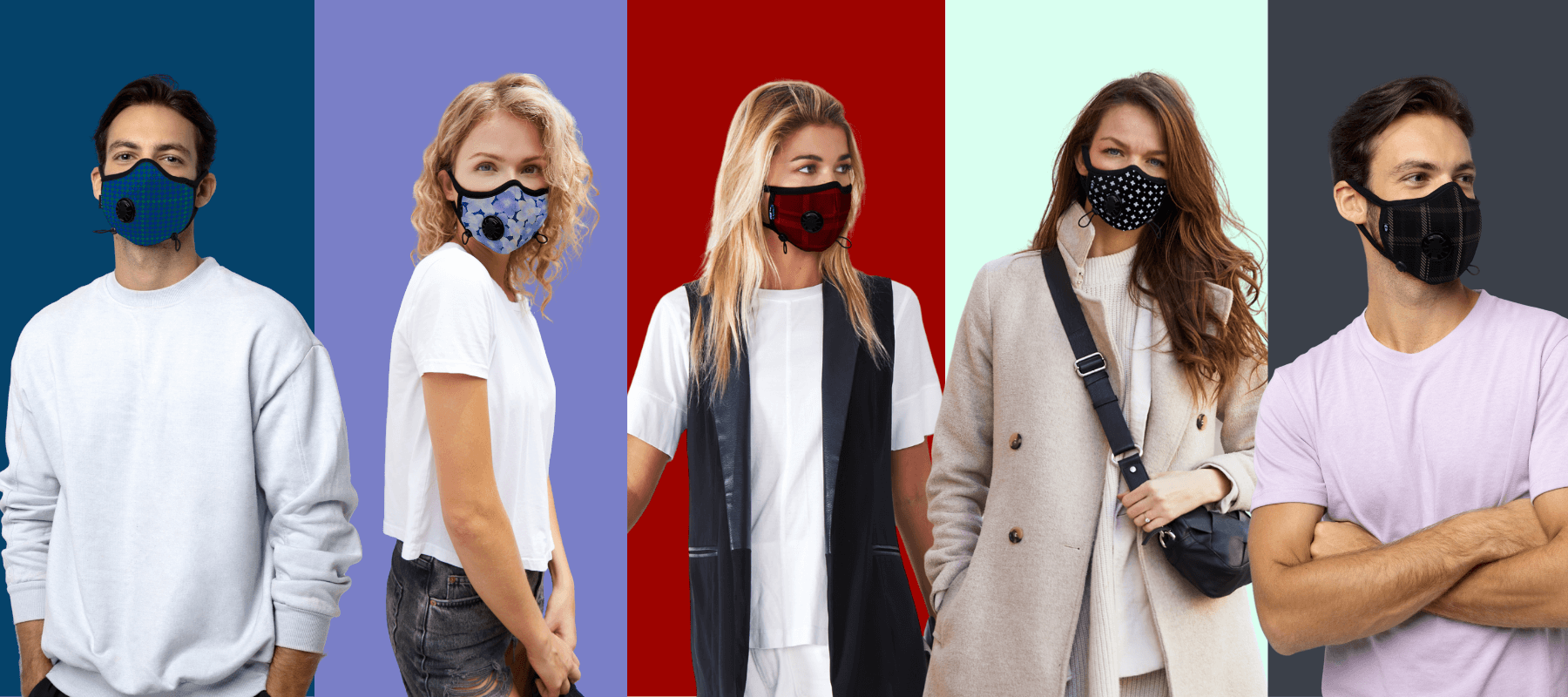
The most effective way to protect yourself outdoors from wildfire smoke is to wear a proper wildfire mask designed to filter fine particles. If you must spend extended time outside for work, errands, or caregiving duties, choose a high-quality respirator that forms a tight seal around your face. Cambridge Masks are engineered to filter PM2.5 particles and offer a secure, comfortable fit, making them a strong choice during wildfire conditions.

It’s important to understand that loose-fitting masks, such as cloth masks, surgical masks, or bandanas, do not filter smoke particles effectively. They may catch larger debris, but PM2.5 particles can pass through easily, offering little real protection.
A proper wildfire mask acts as your final defense layer when avoidance isn’t possible. Use it wisely, and pair it with all the indoor precautions for the best results.
Focus on Hydration and Symptom Monitoring
Wildfire smoke can irritate your throat, nose, and lungs. Staying hydrated helps keep your airways moist and supports your body’s natural ability to clear particles. Drink water regularly throughout the day, more than you usually would.
Pay attention to your body, too. If you notice persistent coughing, wheezing, chest heaviness, or shortness of breath, these may be signs that the smoke is affecting you more than expected. People with asthma, COPD, or heart conditions should closely follow their doctor’s guidance and ensure they have enough medication on hand for several days.
If symptoms become severe, seek medical care. Smoke-related breathing issues can escalate quickly, and early attention makes a big difference.

Staying healthy during wildfire smoke requires a proactive, consistent approach. Your best protection starts indoors: stay inside when the AQI is high, create a Clean Room, and use air purifiers and HVAC systems wisely to reduce smoke particles in your home. When you do need to go outside, a high-quality wildfire mask offers essential protection against fine particles.
With steady vigilance, avoiding smoke, improving indoor air, and using the right wildfire mask like Cambridge Masks, you can significantly reduce your exposure and keep your lungs healthier throughout wildfire season.