How Dangerous is Wildfire Smoke?
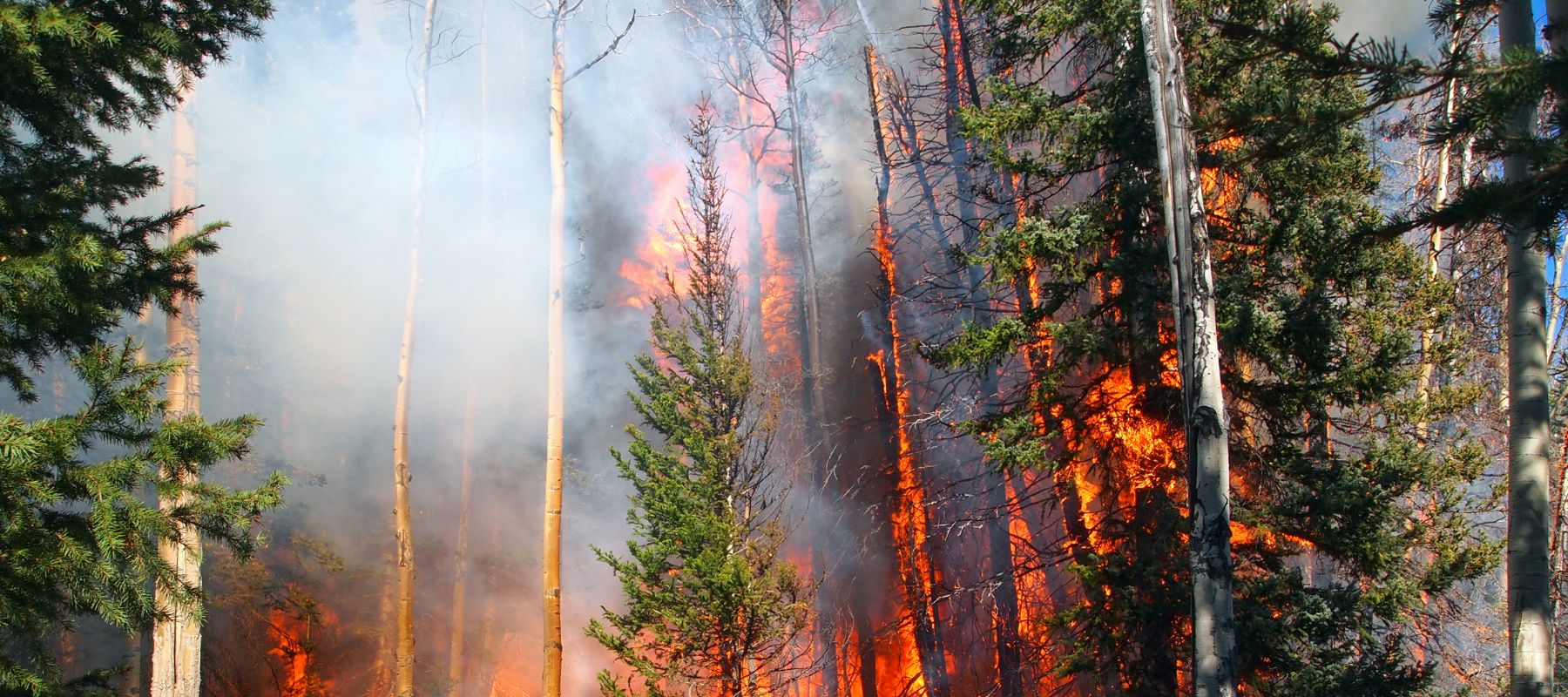
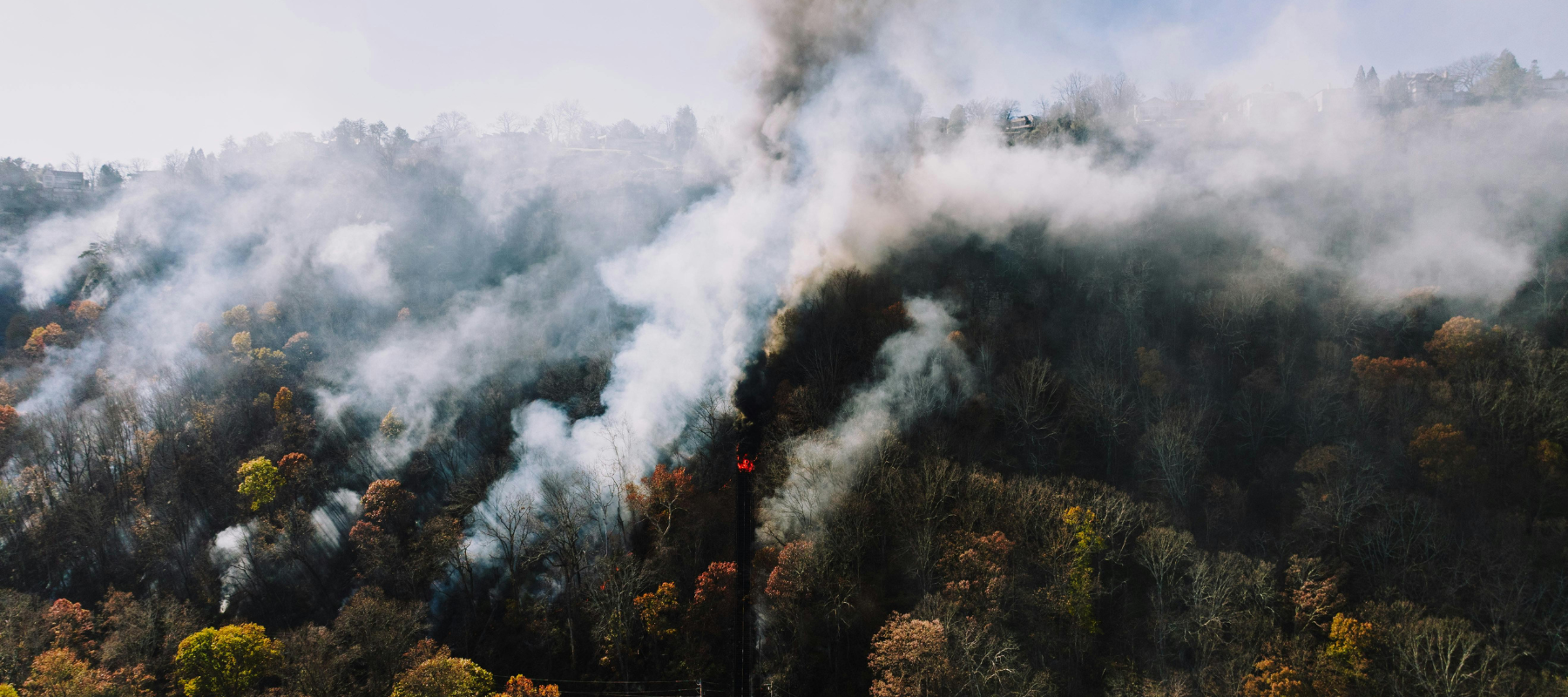
When you see a thick layer of smoke outside, the first question that comes to mind is simple: How dangerous is it really? Many people assume wildfire smoke is just “bad air” or an unpleasant smell. But in reality, wildfire smoke is a serious health hazard, often more toxic than the regular pollution found in busy cities.
Wildfire smoke contains harmful gases, chemicals, and microscopic particles that travel deep into your body with every breath. These pollutants can irritate your lungs immediately and cause long-term damage. The goal of this guide is to explain precisely what’s inside wildfire smoke, how it affects your respiratory and cardiovascular systems, and why protecting yourself, especially with a reliable wildfire mask like Cambridge Masks, is essential during fire season.

Why Is Wildfire Smoke Dangerous? The Toxic Composition
Many people wonder: Why is wildfire smoke dangerous? Is smoke from a fire toxic? The answer is yes. Wildfire smoke is a complex mixture of tiny particles and harmful gases that enter your body quickly and cause widespread stress to your lungs, heart, and immune system.
The Main Culprit: Ultrafine Particulate Matter (PM2.5)
The most dangerous part of wildfire smoke is something you can’t see, ultrafine particulate matter known as PM2.5. These particles are smaller than 2.5 micrometers, which means they are about 30 times thinner than a human hair. Because they are so small, they easily slip past your nose and throat’s normal defenses.
Once PM2.5 enters your airways, it travels deep into your lungs and can even pass into your bloodstream. This is where the real damage begins. These tiny particles can trigger inflammation in the lungs, increase stress on the heart, and interfere with the body’s natural ability to transport oxygen. In other words, the smaller the particle, the bigger the problem.
How Toxic Is Wildfire Smoke? Beyond PM2.5
PM2.5 is only one piece of the puzzle. Wildfire smoke also contains several toxic gases and chemicals, including carbon monoxide, volatile organic compounds (VOCs), and hazardous pollutants like benzene and formaldehyde. These substances are recognized for causing irritation, inflammation, and cellular damage, often called oxidative stress.
When you breathe in wildfire smoke, these chemicals enter your lungs and irritate the sensitive lining of your airways. They can make breathing painful and can worsen conditions like asthma, bronchitis, and heart disease. Combined with PM2.5, these chemicals create a powerful and harmful mix that affects nearly every part of your respiratory system.

The Immediate and Acute Health Impacts
Many people ask: Can fire smoke hurt your lungs? How bad is it to breathe in wildfire smoke? Even short-term exposure can have noticeable effects.
Short-Term Symptoms and Exacerbations
As soon as wildfire smoke enters your airways, the body responds with irritation and inflammation. This can lead to coughing, wheezing, a scratchy or sore throat, stinging eyes, a runny nose, headaches, or tightness in the chest. For some, the symptoms feel like a strong allergy attack. For others, it may feel similar to being around a large bonfire for too long, but much more intense.
People with existing conditions like asthma, COPD, or heart disease are especially vulnerable. Smoke exposure can trigger asthma attacks, worsen COPD flare-ups, and increase the risk of heart-related problems. These episodes can become serious quickly and often lead to emergency room visits or hospitalization. Even healthy individuals may notice that breathing feels harder when the AQI rises into the “Unhealthy” zone.
What Happens If You Inhale Too Much Smoke from a Fire?
In extreme cases, especially when someone is close to a house fire, vehicle fire, or other high-concentration smoke, smoke inhalation can become life-threatening. This isn’t typical wildfire smoke drifting through a neighborhood; it’s thick, dense smoke filled with intense heat and dangerous gases.
Severe inhalation can cause chemical asphyxiation. This happens when gases like carbon monoxide interfere with your blood’s ability to carry oxygen. Without enough oxygen, organs begin to fail.
Heat from the smoke can also burn or damage the airways, leading to swelling and fluid buildup in the lungs. This can cause conditions like pulmonary edema or acute respiratory distress syndrome (ARDS), both of which require immediate medical care. While these severe cases are more common in structure fires, the risks show just how harmful smoke can be.

Long-Term Consequences and Comparisons
Some people wonder: How long does wildfire smoke affect lungs? Is wildfire smoke worse than cigarettes? Research shows that wildfire smoke can harm the lungs long after the fires fade.
Is Wildfire Smoke Worse Than Cigarettes?
Comparing wildfire smoke to cigarette smoke isn’t perfect; they contain different types and amounts of chemicals, but the particulate load from wildfire smoke can be extremely high. Some researchers estimate that breathing air at an AQI of 150 for several days may equal the amount of particulate matter you’d inhale from smoking up to seven cigarettes per day. This doesn’t mean wildfire smoke is identical to cigarette smoke, but it shows just how polluted the air can become during a smoke event.
During major wildfires, the amount of PM2.5 in the air can reach levels far higher than what most cities experience in a typical year. This makes wildfire smoke unusually dangerous compared to everyday air pollution.
The Risk of Chronic Damage
What about long-term effects? Studies have shown that people exposed to wildfire smoke can experience decreased lung function that lasts months or even years after the event. This includes obstructive damage that makes it harder for air to move in and out of the lungs.
Repeated smoke exposure, whether every summer or during multiple fire seasons, can increase the risk of developing chronic respiratory diseases like asthma or COPD. It can also worsen existing conditions and has been linked to higher rates of all-cause mortality, meaning it impacts more than just the lungs.
The takeaway is clear: wildfire smoke isn’t just unpleasant. It has lasting effects that can follow you long after the sky clears.
Protection and Post-Fire Safety
When air quality drops, many people ask: How do I protect myself with a wildfire mask? Is it safe to breathe soot after a fire?
How to Protect Yourself with a Wildfire Mask
Your first line of defense is consistently reducing exposure by staying indoors when the AQI is high. Keep windows closed and run air purifiers with HEPA filters to remove PM2.5 from your indoor air.
If you must go outside, wearing a high-quality wildfire mask is essential. Cambridge Masks are designed to filter fine particles like PM2.5 and provide a secure, comfortable fit. Unlike loose cloth or surgical masks, a proper wildfire mask should seal closely to the face to prevent smoke from leaking in around the edges.
A good mask does not replace indoor safety measures, but it provides strong protection when venturing outdoors is unavoidable.
Is It Safe to Breathe in Soot After a Fire?
Even after a fire is out, ash and soot remain in the environment, and they can be just as harmful as smoke. Ash contains tiny particles and toxic substances that can become airborne if disturbed. Breathing them in can irritate your lungs and worsen respiratory symptoms.
Avoid dry sweeping, leaf blowing, or anything that stirs up ash. If you need to clean up after a fire, use a HEPA vacuum or gently dampen the ash before wiping it up. Wearing a reliable Wildfire Mask also helps reduce inhalation of harmful particles during the cleanup process.

Wildfire smoke is far more dangerous than it appears. Its ultrafine particles, toxic gases, and harmful chemicals can irritate your lungs immediately and cause long-term damage over time. From short-term symptoms like coughing and headaches to long-term risks such as decreased lung function and chronic disease, wildfire smoke affects the body in ways that are both fast and lasting.
Your best protection is a combination of awareness and prevention. Monitor the AQI daily, stay indoors with filtered air when conditions worsen, and use a dependable wildfire mask, like Cambridge Mask's PRO or Non-valve masks, when you need to be outside. These steps are simple but highly effective in reducing your exposure and protecting your long-term health during wildfire season.