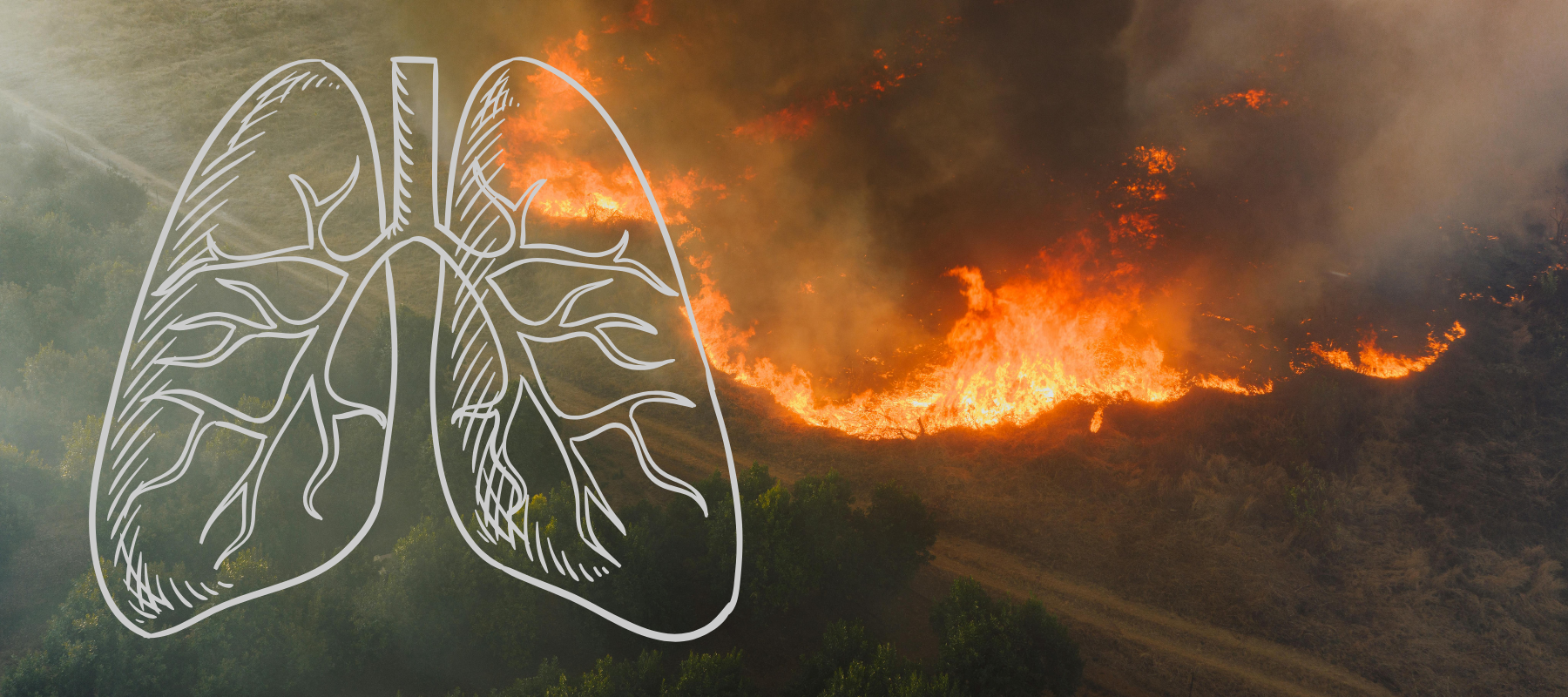
Protecting Your Lungs From Wildfire Smoke: Complete Guide to Wildfire Masks & Clean Air Tips
Wildfires are becoming more frequent, larger, and harder to control. As a result, millions of people are breathing in thick smoke filled with harmful particles and gases. Even if you don’t live near the flames, wildfire smoke can travel long distances and affect your lungs, making the air unsafe to breathe.
This blog will guide you through practical steps to protect your lungs from wildfire smoke, both right now and in the future. With the right information, tools, and preparation, you can stay safer during fire season. From creating cleaner air indoors to knowing when to wear a wildfire mask like Cambridge Mask, being proactive is one of the best ways to protect your health.

Understanding the Dangers of Wildfire Smoke
What’s in Wildfire Smoke?
Wildfire smoke is more than just haze in the air. It’s a mix of tiny particles and gases released when trees, plants, and buildings burn. One of the most harmful components is PM2.5, a microscopic particle small enough to reach deep into the lungs. These particles are linked to breathing problems, heart issues, and increased hospital visits during fire season.
Along with PM2.5, wildfire smoke contains irritants and toxins, including carbon monoxide, nitrogen oxides, and volatile organic compounds (VOCs). This combination makes wildfire smoke especially dangerous, even for healthy people.
How Wildfire Smoke Affects Your Lungs
When you breathe in wildfire smoke, your airways can become inflamed and irritated. You may feel symptoms like coughing, throat irritation, or difficulty breathing. For people with asthma or COPD, smoke can trigger flare-ups and make symptoms worse.
Long-term exposure can also lead to more serious problems. Breathing in PM2.5 repeatedly may reduce lung function and increase the risk of developing chronic respiratory conditions. Protecting your lungs early is one of the most effective ways to prevent lasting harm.
Who Is Most at Risk?
While wildfire smoke can affect anyone, some groups are more vulnerable:
Children breathe more air per pound of body weight, and their lungs are still growing. This makes them more sensitive to smoke.
Older adults often have weaker immune systems or age-related health conditions, which makes it harder for their bodies to cope with polluted air.
People with pre-existing conditions, especially respiratory or heart issues, can experience more severe symptoms when air quality declines.

Immediate Actions to Protect Yourself
Staying Indoors and Creating a Clean Air Space
When smoke levels rise, staying indoors is one of the simplest ways to reduce exposure. Keep windows and doors closed to prevent smoke from entering. If you use an air conditioner, set it to recirculation mode so it doesn’t pull smoky air from outside.
Creating a “clean air space” can make a big difference in your comfort and safety. This is a room in your home with an air purifier running, windows sealed, and minimal indoor pollution sources. Portable air purifiers equipped with HEPA filters are especially effective at trapping smoke particles like PM2.5.
The Importance of Air Filtration
HEPA filters are designed to capture extremely small particles, including many of the pollutants found in wildfire smoke. When choosing a purifier, look for one that is appropriately sized for the room you plan to use. A purifier that is too small won’t be able to clean the air effectively.
Using an air purifier continuously during wildfire season can help maintain better indoor air quality, especially on days when outdoor air is hazardous.
Masking Up: When and How to Use Respirators
If you need to go outside during smoky conditions, wearing a properly fitted wildfire mask is essential. These masks are designed to filter out small airborne particles, including PM2.5, when worn correctly.
A wildfire mask should fit snugly against your face without gaps. Facial hair, loose straps, or improper sizing can reduce effectiveness. This is why a secure, well-designed wildfire mask, such as the PRO and Non-Valve masks, can provide more reliable protection than a loose cloth covering.

Cloth masks or fashion masks are not enough during wildfires. They may block larger particles, but do little to protect your lungs from fine smoke particles that cause the most harm.
Long-Term Preparedness and Prevention
Monitoring Air Quality
Staying informed is one of the easiest ways to protect your lungs. Websites like AirNow.gov and air quality apps show real-time AQI (Air Quality Index) levels so you know when the air outside is safe or hazardous.
The AQI ranges from “Good” to “Hazardous.” Anything above 100 can affect sensitive groups, and levels above 150 are unsafe for everyone. When AQI is poor, limit time outdoors, run your air purifier, and keep your wildfire mask ready.
Preparing an Emergency Kit
A well-stocked emergency kit can make wildfire season less stressful. Include important medications, spare inhalers, a supply of high-quality wildfire masks, bottled water, and extra air purifier filters. Store your kit where you can access it quickly.
Having a kit ready ensures that you’re prepared even if conditions worsen suddenly.
Lifestyle Adjustments for Respiratory Health
Small changes to your daily habits can strengthen your lungs:
-
Eat a diet rich in fruits, vegetables, and antioxidants to support your immune system.
-
Avoid smoking or secondhand smoke, which can worsen the effects of wildfire pollution.
-
Exercise regularly, but only when the air quality is good. Outdoor activity during smoky days can force harmful particles deeper into your lungs.
Planning Ahead for Evacuation
In some cases, smoke exposure may become severe enough that evacuation is the safest option. Know your local evacuation routes and have a “go bag” with essentials ready. Preparing early can reduce stress and help you make safer decisions if conditions rapidly deteriorate.
Resources and Further Information
Reliable Sources for Air Quality Updates
To stay ahead of wildfire smoke, use trustworthy information sources. AirNow.gov provides national air quality data, while local health departments often share updates specific to your region. Regularly checking these resources helps you make informed decisions.
Organizations Supporting Lung Health
Groups like the American Lung Association offer helpful tools, tips, and educational materials to help protect your airways. They also provide guidance for people with asthma, COPD, and other lung conditions who may need additional precautions during fire season.
When to Seek Medical Attention
While many symptoms of smoke exposure are mild, some require medical care. Seek help if you experience severe shortness of breath, chest pain, confusion, dizziness, or if symptoms don’t improve after the smoke clears. People with chronic conditions may also need to consult a doctor to adjust medication during wildfire season.

Wildfire smoke is becoming a more common threat, but there are many ways to protect your lungs and stay safer. By understanding what’s in wildfire smoke, improving indoor air quality, wearing a proper wildfire mask such as the PRO or Non-valve masks outdoors, and preparing ahead, you can significantly reduce your exposure.
Staying informed is crucial. Keep an eye on air quality updates, use a reliable respirator when needed, and take steps to create a cleaner air environment at home. With preparation and the right tools, you can protect your health, even during the most challenging wildfire seasons.